How Brand Consistency Drives Business Growth and Customer Loyalty
Everything You Need to Know About Brand Consistency. Learn the benefits of brand consistency and how a brand guideline builds a strong brand. Boost brand recognition!

Shaheer Malik
Framer Designer & Developer
Quick answer
Brand consistency means looking, sounding and behaving the same everywhere — the same colours, type, tone and treatment across site, product, social and support. It matters because recognition compounds into trust, and trust into repeat custom. The mechanism that makes it survive growth is a written brand guideline, not the founder's memory.
If you think about any strong brand you admire — Nike, McDonald’s, Apple — one thing instantly stands out: they feel the same everywhere. The way they speak, look, sound, and behave stays steady across all platforms. That’s brand consistency, and honestly, it’s something every business (small or giant) needs to understand inside-out.
Let me explain why.
When your brand stays consistent, people begin to trust it. And once trust shows up, customers don’t just remember you — they return. Again and again. It’s like seeing an old friend in a crowded bazaar; the moment you notice a familiar color palette, a familiar tone, even a familiar layout, you immediately recognize the brand without thinking twice.
In this guide, you’ll find everything you need to know about brand consistency, why it matters more than ever, how to maintain brand consistency across all marketing channels, and the tools that help you build a strong brand without losing your sanity.
What Exactly Is Brand Consistency? (And Why It Matters More Than You Think)
Brand consistency means keeping your brand identity, brand elements, and brand message uniform across all platforms. Whether it’s your website, Instagram post, billboard, sales proposal, or a simple email signature — your brand should reflect the same personality.
You know what?
People need consistency. It’s how our brains build shortcuts. When customers recognize the brand instantly, they feel safe. They believe you’re reliable. A consistent brand helps them remember your brand name, even when they aren’t consciously paying attention.
Consistency means using the same:
Color palette
Brand logo
Typography
Visual identity
Brand voice
Marketing materials
Brand guideline rules
Brand promise and brand values
When the brand is consistent, the brand experience across all touchpoints feels seamless. That’s what builds brand recognition — not overnight, but steadily.
Why Do Successful Brands Care So Much About Staying Consistent?
Because brand consistency ensures that customers understand who you are, what you stand for, and why you’re different.
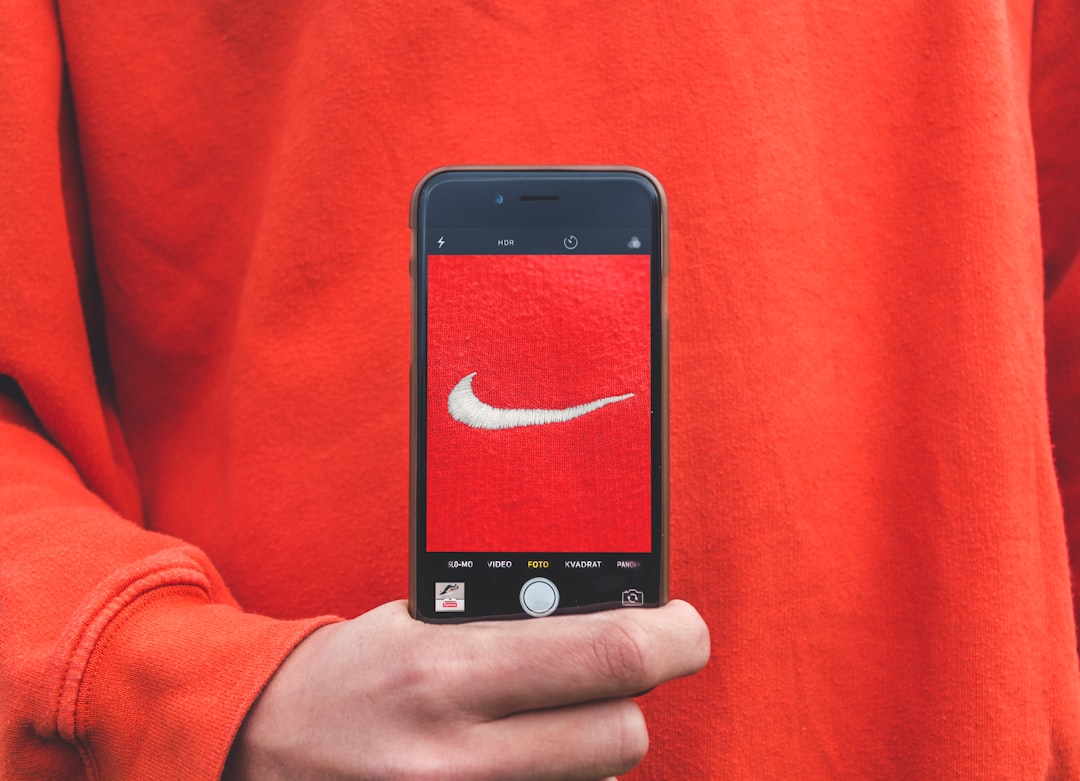
Think about Nike’s brand consistency. Their tone? Motivational. Their visuals? Clean and bold. Their brand message? “Just Do It.”
It never changes. And that’s the point — consistency ensures trust.
And it’s also important to remember that every national brand you love today once started small, built a strong brand, stuck to a brand guideline, and refined their brand strategy slowly.
Even McDonald’s brand doesn’t rely on just a logo. It relies on a consistent brand image, familiar layouts, simple messaging across all platforms, and a predictable customer experience.
Brand consistency can increase:
Brand recognition
Customer loyalty
Positive brand experience for customers
The impact of your marketing campaign
Your overall brand awareness
In short, keeping your brand consistent is not optional anymore — it’s essential.
Examples of Brand Consistency (You Already Know These by Heart)
To understand the practical application of these theories, we examine the brands that have mastered consistency and those that have failed.
 br
br
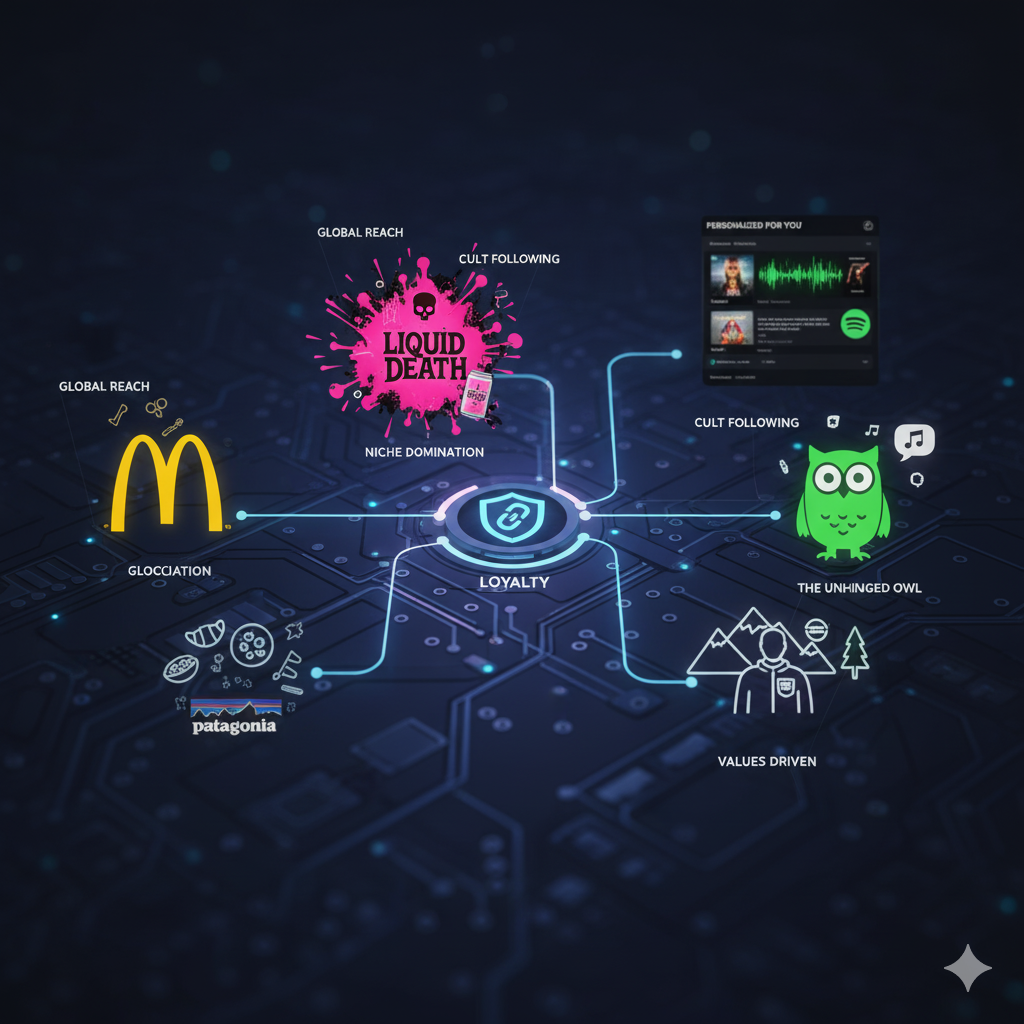
Success Story 1: Liquid Death – Murdering Boredom
The Challenge: Selling water. It is the most boring commodity on earth, traditionally marketed with images of mountains, purity, and health. The Strategy: Radical, unwavering commitment to a "Death Metal/Punk" aesthetic. The Execution: Liquid Death didn't just put a skull on a can. They committed to the bit 100%. Their emails scream at you in all caps. Their tagline is "Murder Your Thirst." Their CSR campaign isn't "Save the Whales," it's "Death to Plastic." They refuse to break character. The Result: A valuation over $1 billion for canned water. They turned a commodity into a lifestyle brand. The Lesson: Consistency allows you to own a niche so aggressively that you become a category of one. If they had broken character once to be "corporate" or "safe," the magic would have died.
Success Story 2: Duolingo – The Unhinged Owl
The Challenge: Making language learning (which is difficult and often boring) feel fun and engaging.
The Strategy: A mascot that is supportive but also vaguely threatening.
The Execution: "Duo" the Owl is a masterpiece of consistent character branding. On TikTok, the brand acts "unhinged"—twerking, obsessing over Dua Lipa, and threatening users who miss their lessons. This "chaotic" voice is consistent across social media, while the app remains helpful. The "Death of Duo" stunt, where they pretended the mascot died, led to a 25,000% increase in social mentions.
The Result: Massive organic growth and a cult following. They turned a notification ("You missed your Spanish lesson") into a global meme ("Spanish or Vanish").
The Lesson: A strong brand voice can transcend the product. People follow Duolingo on social media who don't even use the app, simply for the entertainment. That is brand equity.
Success Story 3: McDonald's – The Glocalization Masterclass
The Challenge: Being consistent globally while appealing to local cultural tastes.
The Strategy: "Freedom within a Framework."
The Execution: The Golden Arches are the same in Mumbai as they are in Chicago. The "I'm Lovin' It" jingle is the same (sonic consistency). But the menu adapts. In India, where beef is taboo, they sell the McAloo Tikki (a potato burger). In France, they sell macarons.
The Result: They maintain global brand recognition—you always know you are at McDonald's—while respecting local culture.
The Lesson: Consistency doesn't mean rigidity. You can adapt your product offering as long as your core identity (fast, convenient, family-friendly, golden arches) remains untouched.
Success Story 4: Patagonia – The Consistency of Values
The Challenge: Growing a retail business while actively discouraging consumerism.
The Strategy: Unwavering environmental activism.
The Execution: Patagonia’s famous "Don't Buy This Jacket" ad was not a stunt; it was a statement of consistent values. They back this up behaviorally: they repair old clothes (Worn Wear), they donated the entire company’s ownership to a trust to fight climate change, and they use recycled materials.
The Result: Fanatical customer loyalty. Customers pay a premium because they are buying into a belief system.
The Lesson: Behavioral consistency (doing what you say) creates the deepest form of trust.
Success Story 5: Spotify – Personalized Consistency
The Challenge: Organizing 100 million songs for 500 million different users.
The Strategy: Algorithmic Consistency.
The Execution: Spotify uses AI to create "Personalized Consistency." Every user sees a different homepage and gets different "Discover Weekly" playlists. However, the frame—the dark mode UI, the green typography, the user experience—is identical for everyone.
The Result: They solved the "paradox of choice." Users trust Spotify to know their taste.
The Lesson: You can use AI to tailor the message (the song) while keeping the medium (the brand) locked down.
The Failures: RadioShack and Pepsi Crystal
RadioShack: The brand suffered an identity crisis. Was it a DIY hobby shop? A cell phone store? A toy store? They tried to rebrand as "The Shack" to be cool. Recently, they tried to pivot to crypto with raunchy tweets—a desperate attempt at "edgy" consistency that felt forced and disconnected from their legacy. The result was irrelevance.
Pepsi Crystal: A classic visual/product mismatch. Consumers expected a cola taste from a dark liquid. When the liquid was clear (Crystal Pepsi) but tasted like cola, the sensory disconnect caused cognitive dissonance. It failed because it broke the pattern of what "cola" is supposed to be.
What Happens When You Stay Consistent? (The Good Stuff)
The benefits of brand consistency go deeper than you think:
You boost brand recognition
You create a consistent brand identity without confusing customers
You build trust because the brand experience stays familiar
You reinforce your brand positioning
You improve brand recall
You create a strong brand that feels reliable
You make it easy for customers to recognize the brand across all marketing channels
And here's the thing — presenting a consistent brand also helps your internal team. A solid brand guideline makes life easier for the brand team, the marketing team, and even external partners. Everyone knows exactly how to represent your brand.
But Wait… When Can Design Consistency Become Harmful?
Surprising but true:
Branding consistency can backfire when you stop innovating or refuse to adapt. A consistent brand doesn’t mean a boring brand.
Consistency means using a consistent brand style — not repeating the same layout forever. If customers feel your brand identity never evolves, they may assume your company hasn’t evolved either.
So yes, consistency is essential — but so is creativity.
Top 10 Tools to Maintain Brand Consistency (With Features, Pricing & Case Studies)
Here are the top tools that help you maintain brand consistency, create brand assets, and build brand consistency across all marketing channels. These will help you ensure brand consistency without doing everything manually.
1. Canva Brand Kit
Best for: Small businesses wanting simple brand guideline tools
Website: https://www.canva.com
Features:
Store brand logo, fonts, color palette
Create marketing materials with consistent brand elements
Pre-made brand templates
Team collaboration
Pricing: Free plan + Pro at $12.99/month
Case Study:
HubSpot reported small teams achieved up to 40% faster content creation using Canva’s Brand Kit.
2. Frontify
Best for: Enterprise-level brand management
Website: https://www.frontify.com
Features:
Advanced brand guideline tools
Brand assets library
Digital brand templates
Consistent brand experience modules
Pricing: Custom enterprise pricing
Case Study:
Uber uses Frontify to centralize all brand assets and maintain consistency across countries.
3. Adobe Express Brands
Website: https://www.adobe.com/express/
Features:
Drag-and-drop branding tools
Brand templates
Automatic resizing for marketing channels
AI-powered design
Pricing: $9.99/month
Case Study:
Startups improved brand awareness through cohesive templates generated instantly.
4. Notion Brand Wiki
Website: https://www.notion.so
Features:
Team guideline documentation
Brand voice definition
Brand strategy pages
Embedding design assets
Pricing: Free + paid plans starting at $8/month
Case Study:
Figma’s own brand team organizes its internal brand style guide inside Notion.
5. Brandfolder
Website: https://brandfolder.com
Features:
AI-powered asset search
Brand intelligence
Brand positioning insights
Digital asset management
Pricing: Custom pricing
Case Study:
Slack used Brandfolder to streamline all brand elements and cut design request time drastically.
6. Figma Libraries
Website: https://www.figma.com
Features:
Centralized components
Shared color palette & typography tokens
Reusable marketing assets
Layout grids for consistent brand image
Pricing: Free + Pro plans
Case Study:
Airbnb uses Figma for internal brand and design systems.
7. Loomly
Website: https://www.loomly.com
Features:
Social media brand tone consistency
Brand voice templates
Approval workflows
Marketing campaign management
Pricing: Starts at $42/month
Case Study:
Brands using Loomly report 50% fewer creative inconsistencies.
8. Widen Collective
Website: https://www.widen.com
Features:
Enterprise-level brand asset management
Brand identity protection
Experience across all touchpoints
AI tagging
Pricing: Enterprise pricing
Case Study:
Hootsuite uses Widen to maintain a consistent brand across multiple regions.
9. SmartSheet Brand Portals
Website: https://www.smartsheet.com
Features:
Brand portal creation
Marketing assets approvals
Brand team collaboration
Visual dashboards
Pricing: Starts at $9/user/month
10. Bynder
Website: https://www.bynder.com
Features:
Brand style guide hosting
Asset versioning
Branding efforts automation
Ensures brand consistency across platforms
Pricing: Custom enterprise plans
Case Study:
Spotify uses Bynder to maintain core brand consistency worldwide.
Strategic Frameworks – Visual vs. Verbal vs. Behavioral
Consistency is often oversimplified as "matching colors." In reality, it is a three-dimensional construct. To build a resilient brand, you must align three distinct layers of identity.
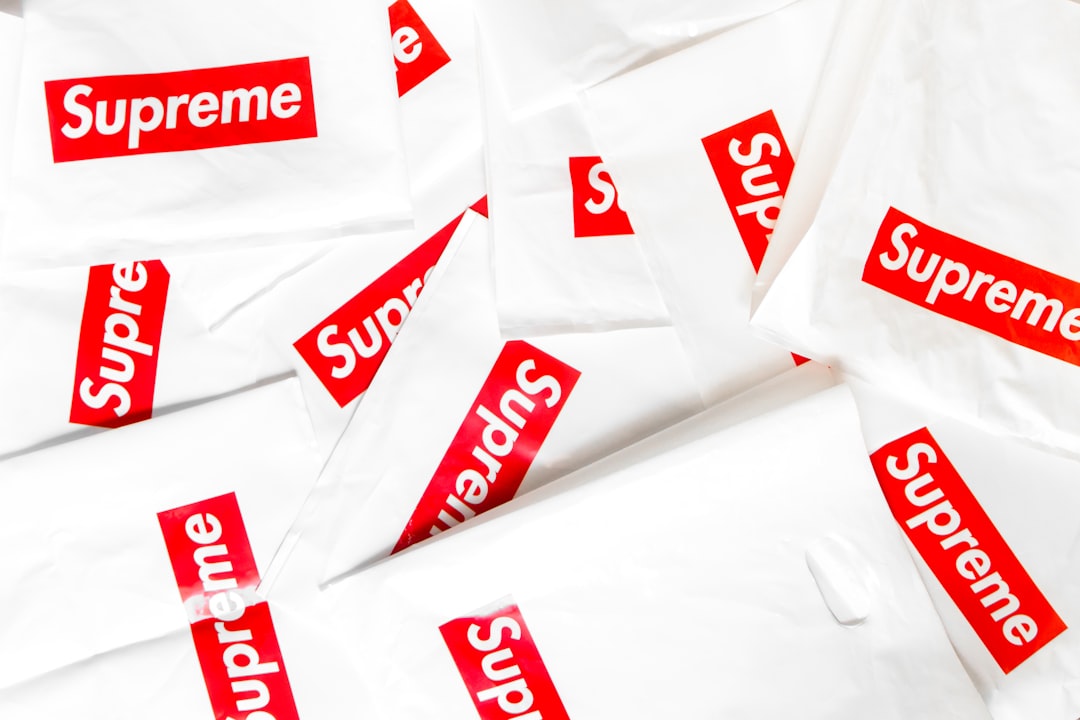
1. Visual Consistency (The Face)
This is the most immediately recognizable layer. It encompasses your logo, color palette, typography, iconography, and photographic style.
The Strategic Imperative: "Instant Recognition." Your visual assets must be distinct enough that they can be identified without the logo present. Think of Tiffany’s Blue or Coca-Cola’s ribbon.
The Trap: "Boredom." Marketing teams often get bored of their own branding long before the market does. They change visuals to "spice things up." This is a mistake. As the saying goes, "When you are sick of saying it, your customer is just starting to hear it."
The Fix: Use "Fluid Consistency". Keep the core elements (Logo, Color) rigid, but allow flexibility in secondary elements (illustration style, photography) to adapt to trends without breaking the brand.
2. Verbal Consistency (The Voice)
This is the personality of your brand. Are you witty and sarcastic (Wendy’s)? Are you inspiring and heroic (Nike)? Are you calm and assuring (Allstate)?
The Strategic Imperative: "One Person, Many Moods." A human being can be serious at a funeral and happy at a wedding, but they remain the same person. Your brand must be able to apologize for a shipping error (serious mood) and launch a new product (excited mood) while sounding like the same entity.
The Trap: "The Intern Effect." Letting different people run different channels without a style guide results in a schizophrenic brand voice.
The Fix: Create a "Voice & Tone Guide" that provides examples of "This, Not That." (e.g., "We are confident, not arrogant. We are helpful, not servile.")
3. Behavioral Consistency (The Action)
This is the most difficult layer to maintain because it involves operations, not just marketing. It is how your brand acts.
The Strategic Imperative: "Promises Kept." If your brand promises "Fast Service," but your support team takes 48 hours to reply, you are behaviorally inconsistent. This creates the deepest form of dissonance.
The Trap: "Marketing writing checks Operations can't cash."
The Fix: Align your Customer Experience (CX) team with your Brand team. Ensure that your return policies, hold music, and packaging all reinforce the brand promise.
Omnichannel vs. Multichannel
Multichannel means you are present on Facebook, email, and web, but you might look and act differently on each. This is a fragmented experience.
Omnichannel means you are everywhere, and the experience is seamless. If a customer puts an item in their cart on mobile, it is there on desktop. If they complain on Twitter, the email support agent knows about it. This is the pinnacle of consistency.
The Future Frontier: Sonic Branding
As visual channels become saturated, brands are moving to audio. Sonic Branding is the use of consistent sounds to trigger recognition.
Mastercard has developed a comprehensive "sonic DNA," a melody that plays in different variations when a payment is successful, when an ad plays, or even in physical retail spaces.
Netflix’s "Ta-dum" sound at the start of every original show is a prime example. It signals "The movie is starting" and triggers a dopamine release of anticipation.
Prediction: By 2026, every major brand will have a sonic logo as distinct as their visual one.
FAQs — Answered by Shaheer Malik
Why brand consistency matters?
Because a consistent brand helps customers recognize your brand instantly, builds trust, and strengthens long-term loyalty.
Why does brand consistency matter?
It matters because consistency is essential in shaping a memorable and strong brand identity across all touchpoints.
Why is brand consistency important?
It helps build trust, supports a positive brand experience, and boosts brand recognition over time.
What does brand consistency refer to?
It refers to using the same visual identity, tone, and brand message across all marketing channels.
Why is brand consistency so important?
Because customers rely on familiarity. When your brand is consistent, customers feel secure.
Which brand reliability?
Brands with steady visuals, a clear tone, and strong brand values tend to earn the most reliability.
What does brand consistency mean?
It means presenting a consistent brand identity across all platforms without confusion.
Is consistent brand ssd good?
A consistent brand is always good — it helps customers trust and remember your business.
Why brand consistency is important?
Because consistency means clarity. And clarity builds trust.
The importance of consistency in branding?
It keeps your brand recognizable, strengthens loyalty, and improves marketing results.
When design consistency is harmful?
When it stops innovation. Consistency shouldn’t mean repeating old ideas forever.
Branding consistency?
It’s the discipline of protecting your visual identity, tone, and message everywhere.
Why is branding consistency important?
Because it ensures your brand experience stays familiar across all touchpoints.
What is brand consistency?
It’s the practice of keeping your brand identity consistent across all marketing channels.
Consistency is about identity?
Yes — consistency helps shape your identity across different platforms.
Want it done for you? I offer branding on a fixed price, from $700. See pricing.